Courtesy the artist; Photo: Etienne Frossard
Courtesy the artist; Photo: Etienne Frossard
Courtesy the artist; Photo: Etienne Frossard
Courtesy the artist; Photo: Etienne Frossard
Courtesy Keystone-Mast Collection, UCR/California Museum of Photography, University of California, Riverside; Photo: Gifford M. Mast
Courtesy the artist; Photo: Etienne Frossard
Courtesy the artist; Photo: Etienne Frossard
Courtesy the artist; Photo: Etienne Frossard
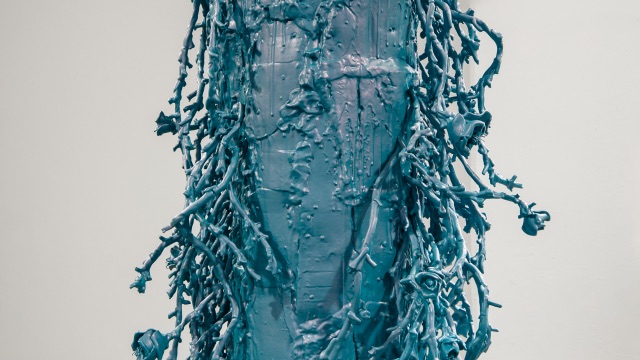
Couroupita/
Corpus (detail)
Material: Aluminum, epoxy resin, air-dried clay, wire, foam, polyurethane paint, and fabric
Dimension: Dimensions variable
Dang’s work explores the transoceanic botanical exploitations of colonialism and imperialism and the intertwined histories of control over populations and environments. Like many humans, plants were uprooted from their native lands for consumption by colonialist powers, whether as crops, for scientific research, or simply for pageantry.
Courtesy the artist; Photo: Etienne Frossard
Couroupita/
Corpus
Materials: Aluminum, epoxy resin, air-dried clay, wire, foam, polyurethane paint, fabric
Dimension: Dimensions variable
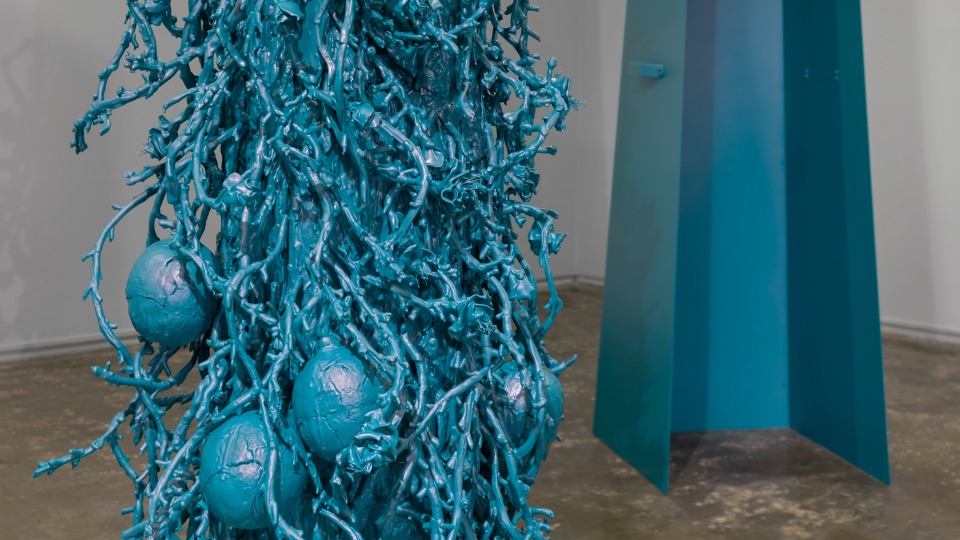
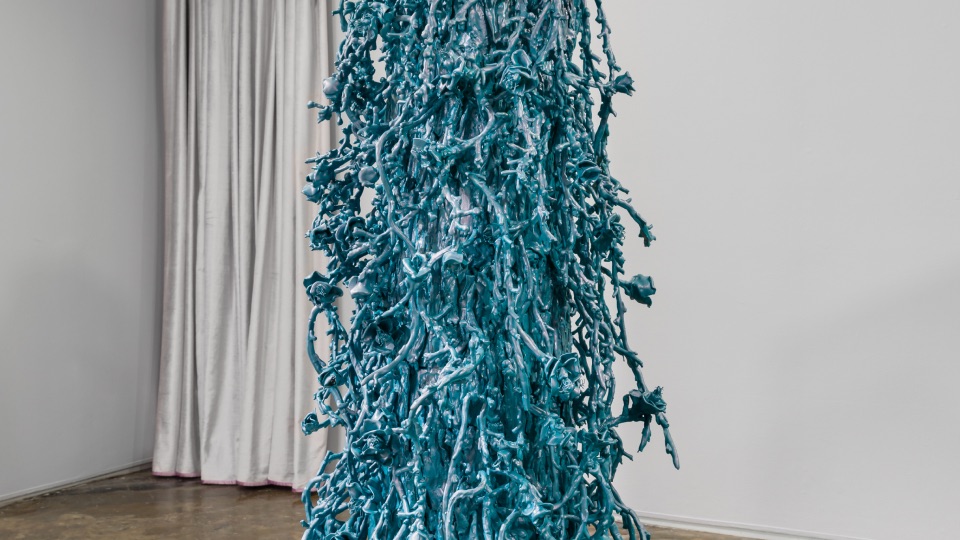
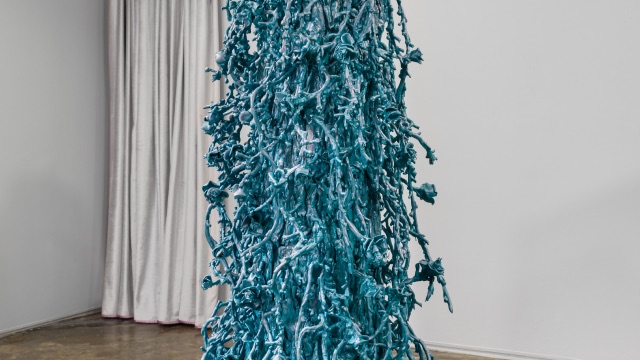
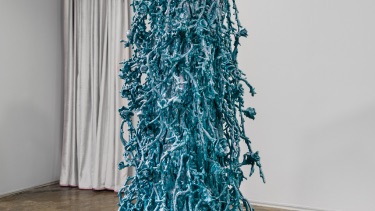
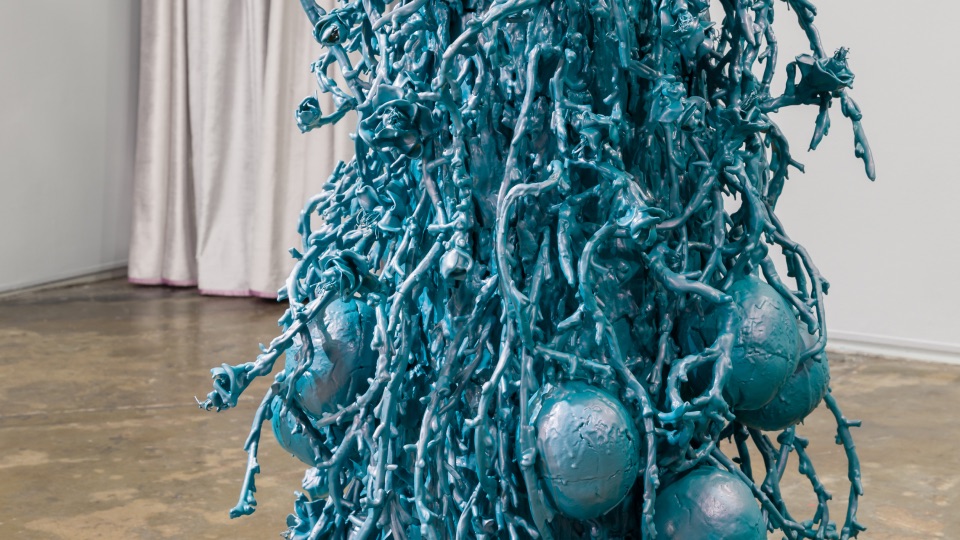
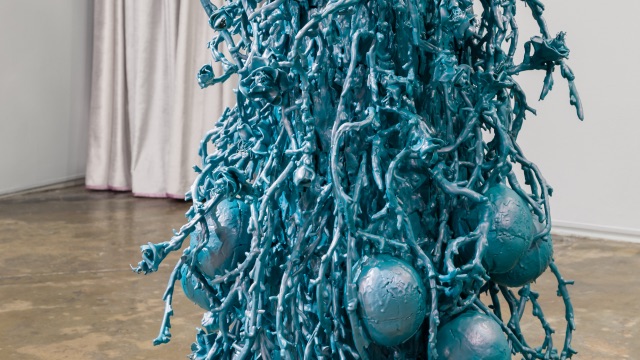
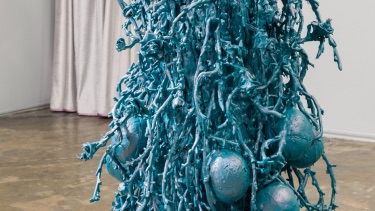
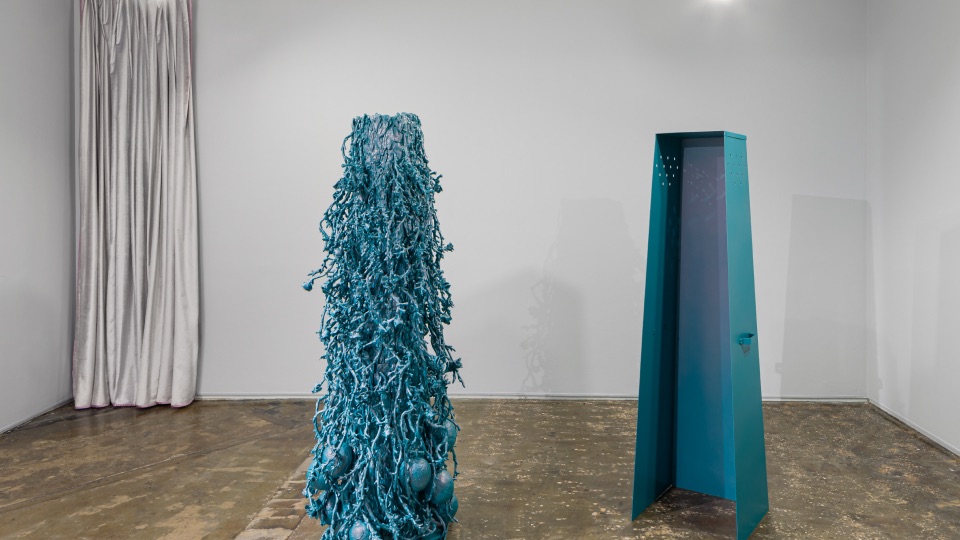
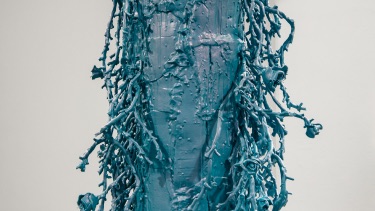
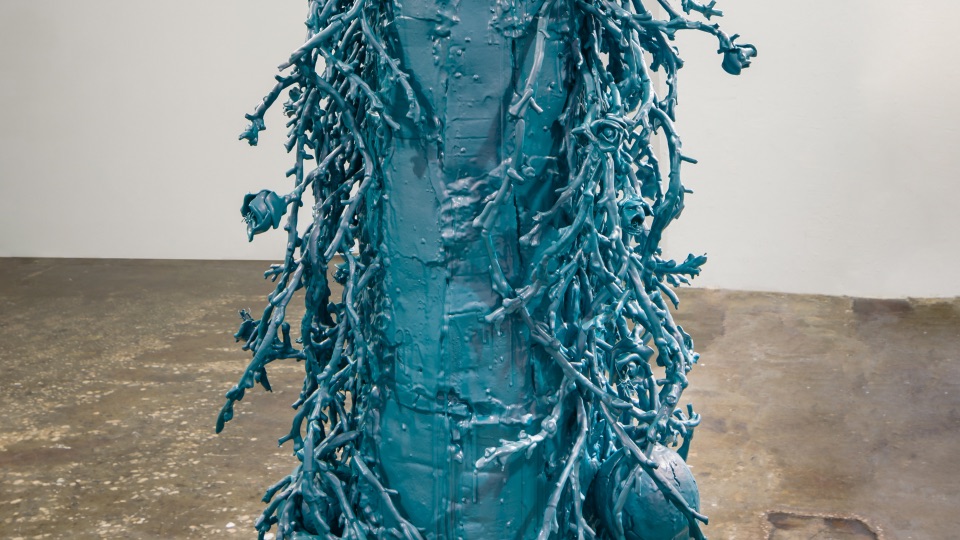
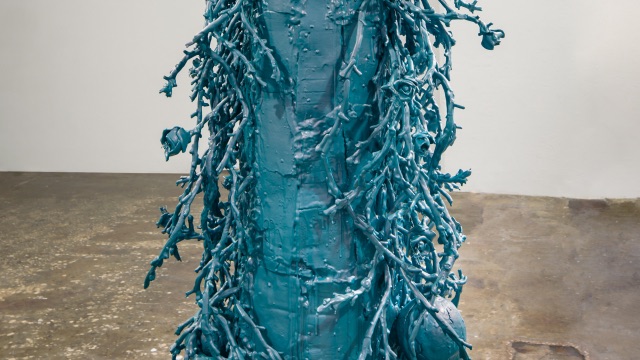
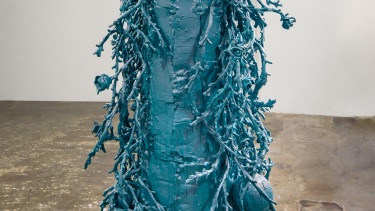
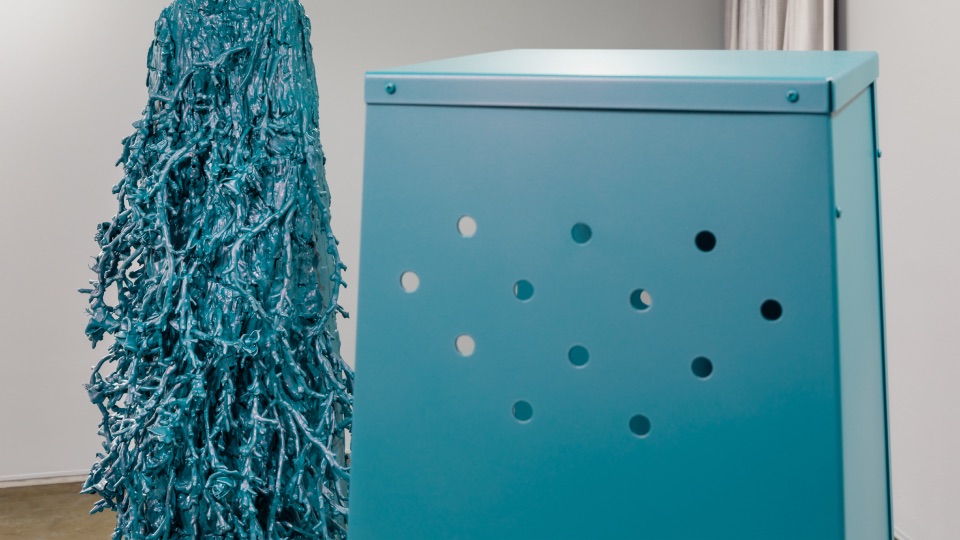
In Couroupita/Corpus (Couroupita is the scientific name for the cannonball tree), Dang explores the history of one such tree, which was cut down by an American expedition from the Field Museum in 1922. The tree was sent to the Chicago institution, where it still resides. Dang has reconstructed the truncated tree in a fantastically contrived manner.
Courtesy the artist; Photo: Etienne Frossard
Couroupita/
corpus (detail)
Material: Aluminum, epoxy resin, air-dried clay, wire, foam, polyurethane paint, fabric
Dimension: Dimensions variable
Dang was born in Hawaii, and raised on a street named after cannonballs, a reference to the ammunition of nearby US military artillery batteries. She, however, envisions a world in which the street is named after the cannonball trees, native to South America, that tower inside the botanical gardens she grew up visiting in Hawaii. These trees arrived through a colonial exchange of seeds.
Photo: Sebastian Bach, Etienne Frossard
Couroupita/
corpus
Material: Aluminum, epoxy resin, air-dried clay, wire, foam, polyurethane paint, fabric
Dimension: Dimensions variable
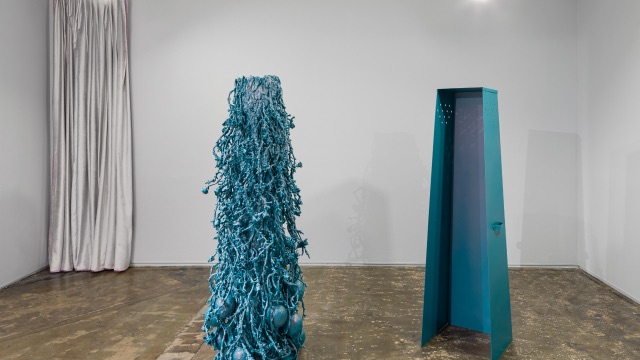
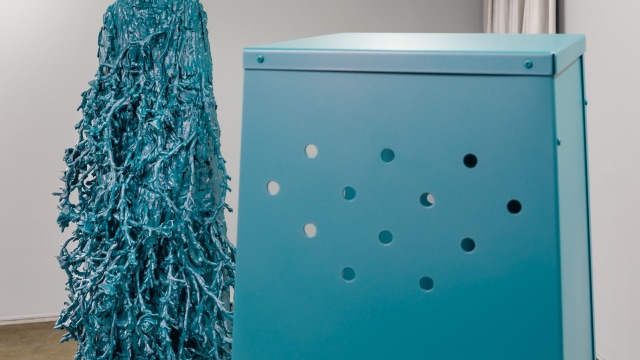
Accompanying the sculpture is a portable chamber inspired by eighteenth-century French schematics and drawings of travel carriers for tropical plants. The narrow contraption resembles a torture device, heightening the eerie atmosphere and underscoring the trauma experienced by transported plants.
Photo: Sebastian Bach, Etienne Frossard
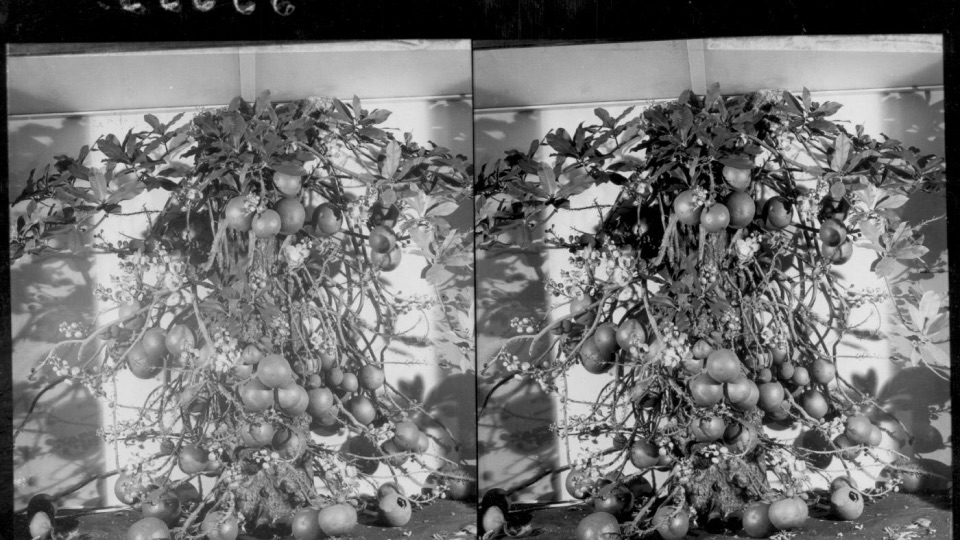
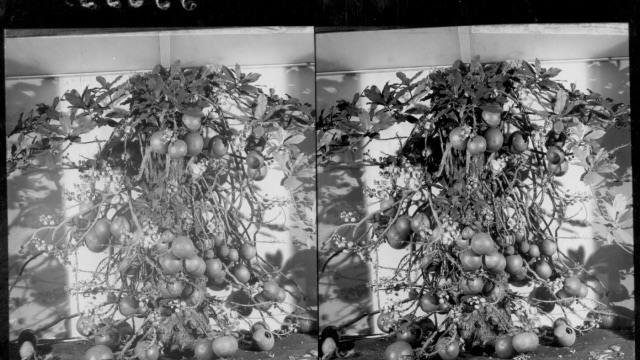
The cannonball tree, South America, Field Museum of Natural History, Chicago, July 9, 1934
Dang’s tree is frozen in peak abundance, laden with fruit (the spheres that give the tree its name), flowers, and luscious vines similar to the display in the Field Museum (pictured here). The 1922 tree arrived with a note asking that it be “restored to life-like appearance.” Through the use of negatives, samples, and plaster molds, the institution created wax leaves, flowers, and fruits. The didactic museum exhibition of the specimen implicitly enforced a Western order of power, governance, and knowledge.
Photo: Sebastian Bach, Etienne Frossard
Couroupita/
corpus (detail)
Material: Aluminum, epoxy resin, air-dried clay, wire, foam, polyurethane paint, fabric
Dimension: Dimensions variable
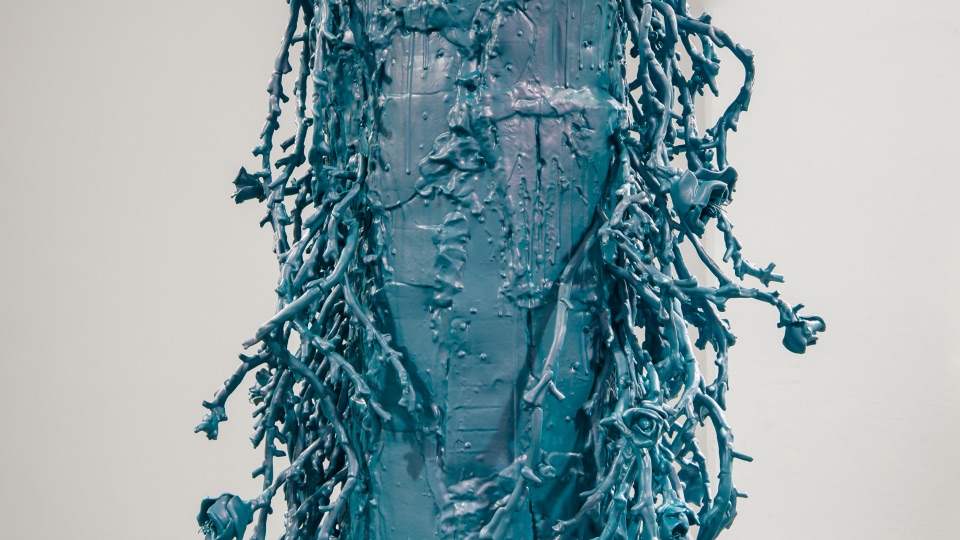
The sculpture’s unnatural metallic teal color alludes to the spectacle of the tree’s display in the United States. The trunk has visible sutures on its back, suggesting wounds that convey the trauma the plant endured and its taxidermical reconstruction.
Photo: Sebastian Bach, Etienne Frossard
Couroupita/
corpus (detail)
Material: Aluminum, epoxy resin, air-dried clay, wire, foam, polyurethane paint, fabric
Dimension: Dimensions variable
Photo: Sebastian Bach, Etienne Frossard
Couroupita/
corpus
Material: Aluminum, epoxy resin, air-dried clay, wire, foam, polyurethane paint, fabric
Dimension: Dimensions variable
Photo: Sebastian Bach, Etienne Frossard