Jovencio de la Paz
When did you realize you wanted to become an artist?
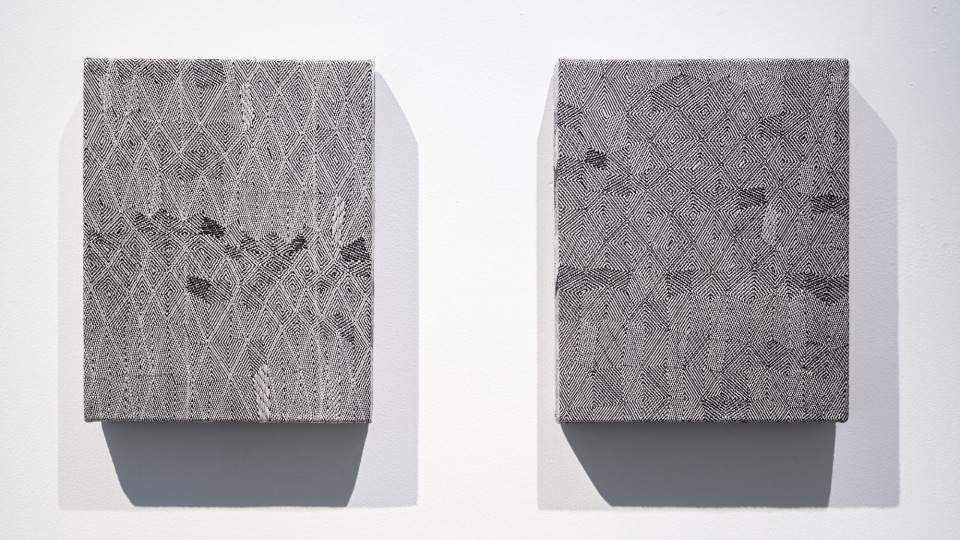
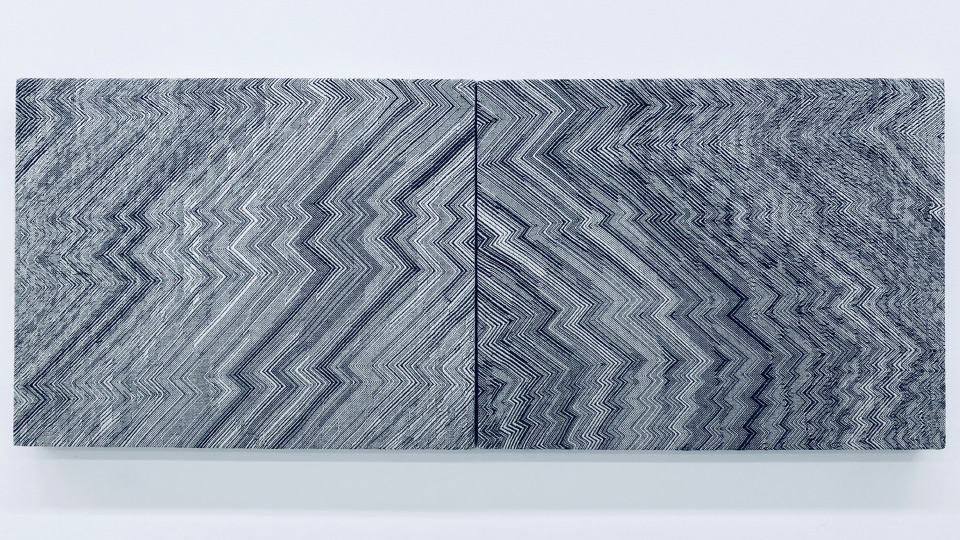
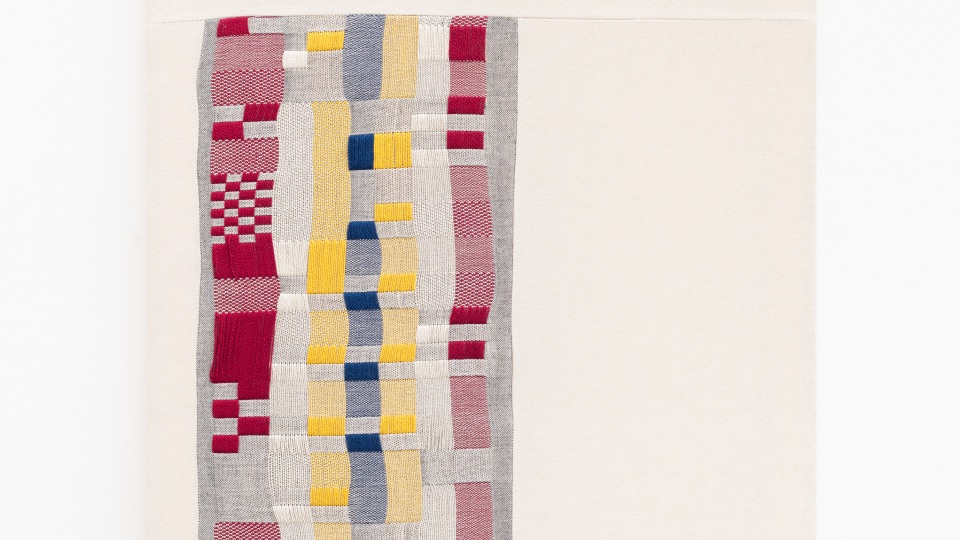
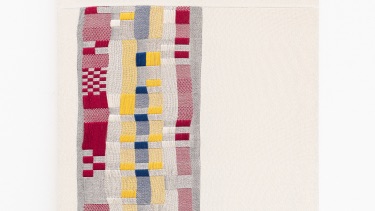
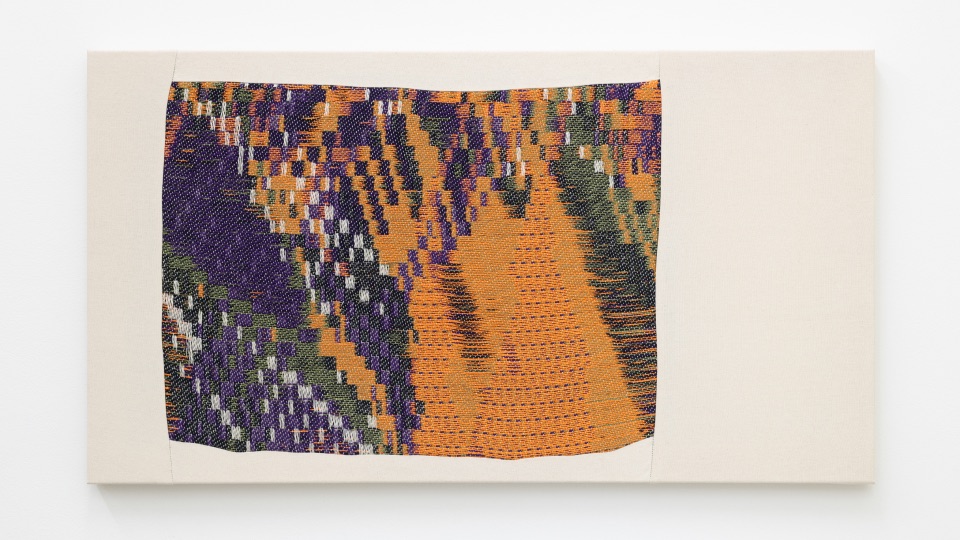
While studying at art school in Chicago, I offhandedly asked one of my professors, “What class should I take?” She suggested fiber, so I enrolled in weaving. As a marginalized field in craft, it answered so many questions for me. I could study the history of people of color, women, and queer bodies. But I could still work with color and geometry. It all came together in that medium.
Is there a through line or central message in your work?
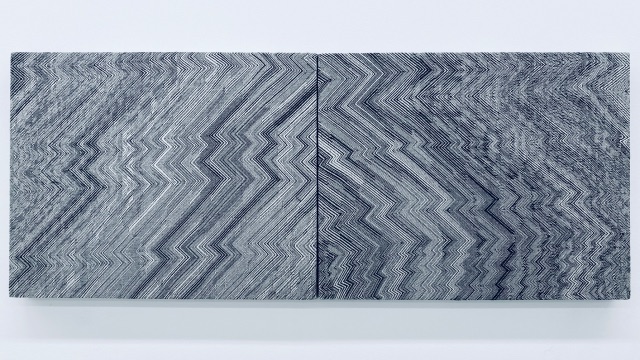
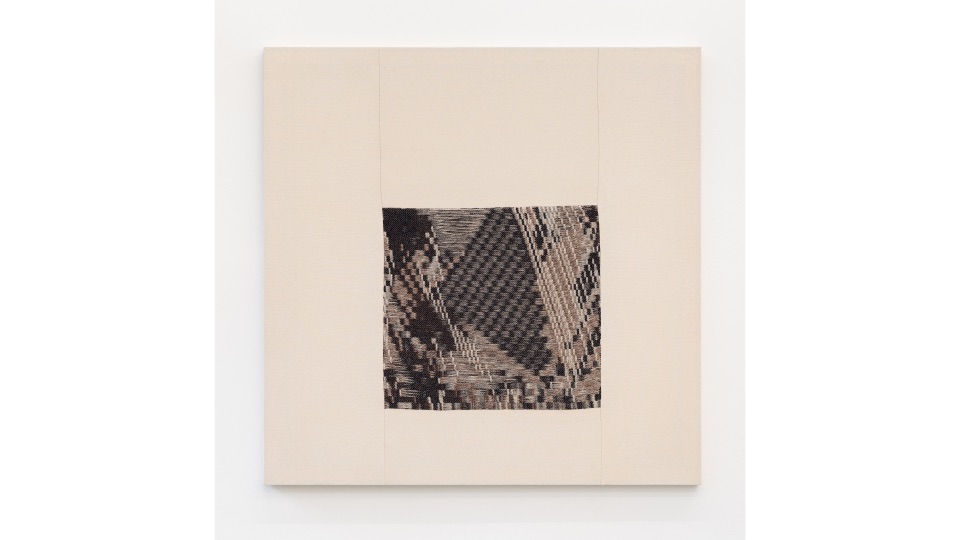
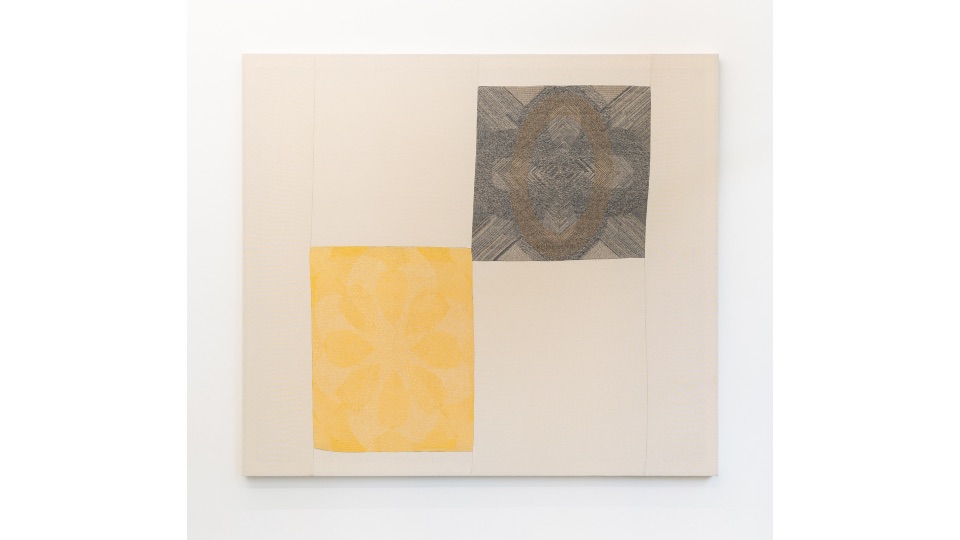
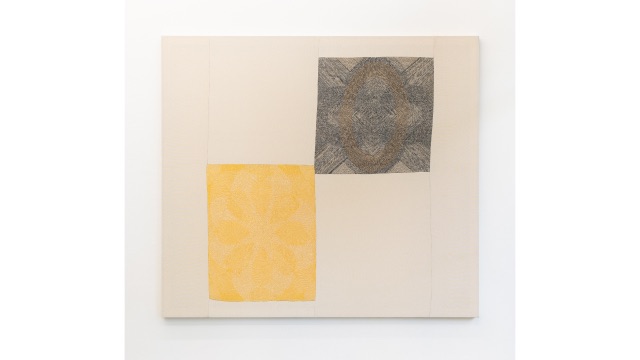
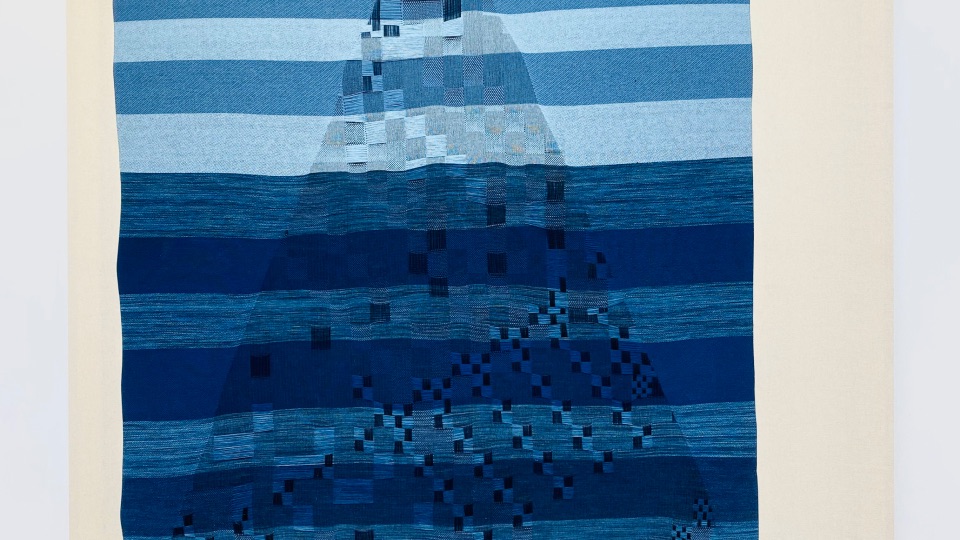
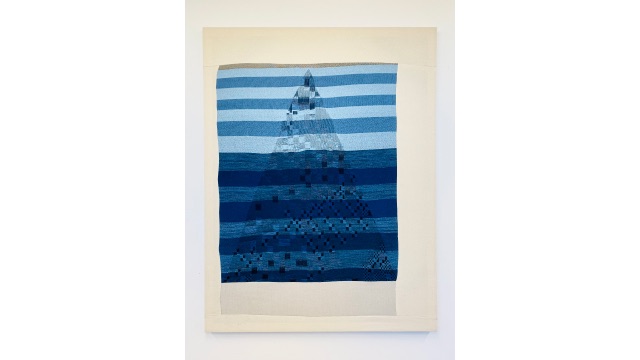
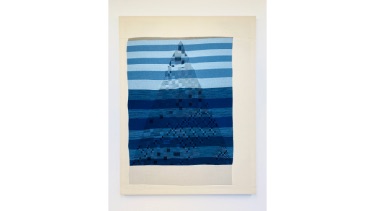
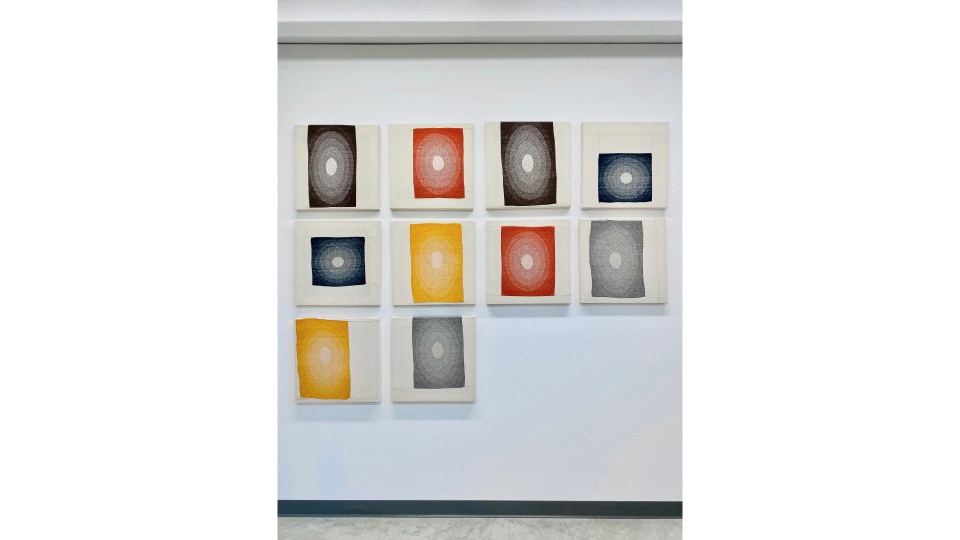
I explore the history and continuity of technology and its effect on our species. Weaving is a binary operation: a warp thread is either pushed up by the loom (allowing the weft thread to pass underneath and be hidden) or stays down (allowing the weft thread to pass over it and be exposed). Computers use binary code: 1 designates an electric signal, and 0 designates its absence. Some historians consider the loom to be the first computer. If we can have deeper relationships with technology, we can think of different ways to use it.
Which artists influence you?
Weavers Anni Albers, Loja Saarinen, and Misao Jo. Painters Agnes Martin, Gustav Klimt, Joan Miró, and Paul Klee. And science fiction writers like Ursula K. Le Guin and Octavia E. Butler.
If you could travel back in time to give advice to your younger self, what would you say?
Embrace uncertainty and practice generosity. The earlier you can do those things in your career, the more you can save yourself from stress.